How to Compare Nicotine Pouch Cans by Value and Variety
Comparing nicotine pouch cans is not just a matter of picking the brightest pack or the strongest label. Two cans can look similar at a glance yet offer a very different mix of pouch count, strength, flavour and format. A clear comparison helps adults aged 18 and over choose products that fit their preferences without paying attention to the wrong details.
The easiest way to start is to treat each can as a small set of specifications. Look past the branding for a moment and read what is printed on the pack. Once the basics are lined up, value and variety become much easier to judge.
Start with the basics printed on the can
Begin by checking the product type, strength, flavour, pouch count and any wording about format. These details give the comparison a fair foundation. If one can is being compared with another that has a different number of pouches, the price on the shelf or page may not tell the full story.
Strength is usually shown as a number, a descriptive term, or both. Do not assume that a higher number is automatically better. A stronger pouch may suit someone who wants a more pronounced experience, while a milder option may feel more comfortable for regular use. The right choice depends on personal preference and the intended occasion.
Flavour names also need careful reading. Terms such as mint, fruit, tobacco, citrus or berry can be broad, and two products in the same category may taste quite different. If a can uses a flavour name that is unfamiliar, compare it with flavours already known rather than relying on the name alone.
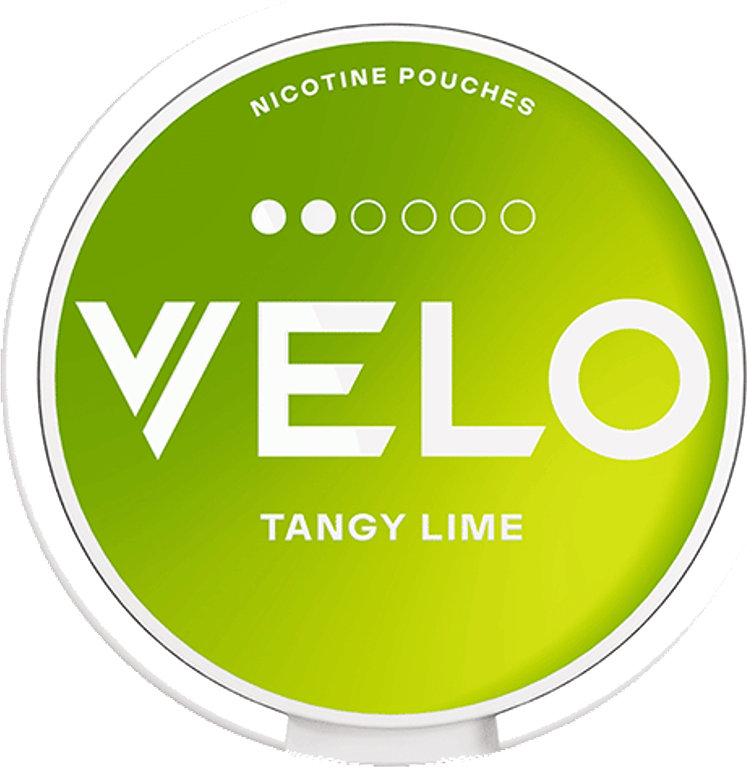
When browsing a wide range of nicotine pouch brands, keep the same basic fields in mind each time. That makes the comparison consistent instead of jumping from flavour to strength to pack design without a method.
Put pouch count beside the price
Value is easiest to understand when the can size is included. A smaller can may have a lower upfront cost but fewer pouches, while a larger can may work out differently when compared pouch by pouch. Avoid guessing. Read the count and compare like with like.
It also helps to separate value from appeal. A can might offer more pouches, but if the strength or flavour is not right, that value is not useful. The best value is the product that matches the intended use and is still sensible on a per-pouch basis. Nice presentation can catch the eye, but it should not do all the deciding.
Where a retailer groups products by strength and flavour, use that structure to narrow the field first. Compare products in the same strength band before looking elsewhere. This prevents a mild mint pouch from being judged against a much stronger one simply because both are green on the label.
Nic Pouch uk sits in the context of a UK online retailer offering nicotine pouches from more than 30 brands, organised by strength and flavour for adults aged 18 and over. That kind of structure is useful when comparing a broad selection, because it gives a starting point for sorting products into practical groups.
Compare strength in a sensible order
Strength deserves its own pass. Start with the lowest option that fits the purpose, then move up only if the product description suggests a better match. This is more useful than choosing the strongest can first and working backwards.
Watch for differences in how strength is described. Some products use numeric levels, others use words, and some combine both. A number on one can may not mean exactly the same thing as the same number on another, especially across different brands. Treat the label as a guide, then compare the surrounding description for context.
It is also worth noticing whether a product is presented as a regular pouch, a slim pouch or another format. Format can affect how a pouch feels in use, even when the stated strength is similar. If comfort matters, compare format alongside strength rather than leaving it until the end.

A useful approach is to shortlist by strength first, then flavour, then count. If there are several suitable options, compare the ones closest in character. That keeps the final choice from becoming muddled by too many differences at once.
Judge variety by what will actually be used
Variety sounds attractive, but it only has value if the flavours and strengths fit the buyer. A mixed selection is not automatically better than a single reliable choice. For a person who enjoys exploring, a wider range of flavours may be the point. For someone who prefers consistency, too many options can make choosing harder.
Look at the spread within a can and across the range. Some cans focus on one flavour, while a broader selection may include several flavour families. If trying something new, pick one change at a time. For example, keep the strength the same and vary the flavour, or keep the flavour style familiar and change the strength.
Flavour intensity matters too. Mint and menthol styles can feel sharp, while fruit or sweet styles may feel softer. Tobacco-inspired options may appeal to those who prefer a familiar profile. These are preferences, not rules, so the practical test is whether the description matches the kind of product being sought.
Nic Pouch uk can be treated as one example within a wider comparison of nicotine pouch brands, especially when sorting options by strength and flavour. The point is not to follow a single name, but to use clear categories so that variety stays manageable.
Check the small details before deciding
Once a few cans are shortlisted, slow down and read the finer points. Check whether the can shows the pouch count clearly, whether the flavour description is specific enough, and whether the strength marking is easy to understand. Vague wording can make comparison difficult, so prefer information that is direct.
Also check product names carefully. Similar names can sit within one brand or across different brands, and small wording changes may point to a different strength or flavour. A quick second read can prevent choosing the wrong variety.
Do not rely on colour alone. Colour often signals flavour, but it is not a standard system across all products. Two brands may use the same colour for very different flavour styles. The written description should carry more weight than the pack design.

Finally, make the comparison against personal use. A can with more pouches is not better if half of them will not be used. A flavour that sounds interesting is not a good value if it is unlikely to be chosen again. Value and variety work best together when both are tied to clear preferences.
Turn the shortlist into a final choice
By this stage, the decision should be between a small number of similar cans. Choose the one that matches the intended strength, has a flavour description that makes sense, and offers a pouch count that fits how often it will be used. If two options still feel close, pick the simpler one first. A straightforward choice makes it easier to judge what to try next.
Good comparison is less about finding a universal winner and more about narrowing the field with care. Read the can, compare pouch count, sort by strength, treat flavour descriptions with a little caution, and keep variety tied to real preference. That approach makes the range of nicotine pouch brands easier to understand and far less confusing to shop.